How Basement Waterproofing Can Reduce Pest Problems
A damp basement rarely stays a moisture problem for long. Given enough time, it becomes a pest problem too.
Homeowners often think of pests and water as separate issues. One gets handled with traps, sprays, or a call to pest control. The other gets handled when there is visible seepage, a stained wall, or that unmistakable damp smell after rain. In practice, the two are tightly linked. Water creates the kind of environment pests seek out, especially in lower levels of a home where darkness, shelter, and humidity already work in their favor.
That is why Basement Waterproofing matters for more than structural protection. It changes the conditions that invite insects, rodents, and other unwelcome visitors inside. In many homes, reducing moisture is one of the most effective ways to reduce pest pressure without constantly reacting to symptoms.
Why pests gravitate toward damp basements
A basement offers three things pests need: water, cover, and stable conditions. Add organic debris, cardboard boxes, stored fabrics, or wood framing, and it can become an ideal habitat.
Moisture is often the missing piece. Even a basement that never fully floods can attract pests if it stays humid or develops periodic condensation. I have seen basements with no standing water, no dramatic leaks, and no major visible damage, yet they still supported recurring pest activity because the air stayed damp enough to sustain insects and create drinkable water on cool surfaces.
Silverfish are a common example. They thrive in humid spaces and feed on paper products, glue, and fabrics. Cockroaches do the same, especially in cluttered storage areas where they can hide during the day. Spiders follow the insect population, so a homeowner may think spiders are the primary issue when they are actually feeding on a larger moisture-driven pest ecosystem. Centipedes, pill bugs, earwigs, and springtails also show up where dampness persists.
Rodents are slightly different, but not by much. Mice and rats do not need a flooded basement to benefit from moisture. https://2814691611243.gumroad.com/p/basement-waterproofing-warning-signs-you-should-never-ignore A wet wall cavity, a dripping pipe, or a sump area with chronic dampness can support them just fine. If the basement also has foundation gaps or utility penetrations, they can enter, nest, and stay close to a dependable water source.
Termites deserve special attention. Subterranean termites are strongly associated with moisture. They need damp soil and benefit when foundation conditions make it easier for them to stay hydrated while moving into wood structures. A wet basement or crawl-adjacent area does not guarantee termites, but it absolutely improves the odds that they will find the home suitable.
Water problems that are easy to miss
When people hear "waterproofing," they often picture a basement with obvious seepage or several inches of water after a storm. Those are serious cases, but pest-friendly moisture often shows up in quieter ways.
A wall can feel cool and slightly damp near the floor line. Condensation may form on uninsulated pipes in summer. There might be a musty odor in one corner, or stored boxes may soften and warp over time. Efflorescence, the chalky white mineral deposit on masonry, is a strong clue that water is moving through the foundation even if you never see active dripping. Relative humidity in the basement may sit above 60 percent for long stretches, which is enough to encourage mold growth and create conditions many insects prefer.
I once walked through a basement where the owner insisted there was no moisture problem because the floor looked dry every time he checked it. The real issue was behind finished walls. Minor seepage had dampened the bottom of the framing and insulation over a period of years. The first sign that pushed him to investigate was not water, it was repeated sightings of carpenter ants near the stairwell. Once the wall was opened, the lower plate and insulation told the story. The ants were exploiting weakened, moisture-affected wood. Pest treatment helped, but fixing the water intrusion is what ended the cycle.
How Basement Waterproofing changes the environment pests depend on
Pest control often focuses on eliminating what is present. Waterproofing addresses why they want to be there.
When a basement is properly waterproofed, liquid water is diverted away, humidity drops, and surfaces dry out more consistently. That affects pests in practical ways. They lose access to easy moisture. Egg survival rates can drop in drier conditions. Food sources such as mold, decaying paper, or damp wood become less abundant. Nesting sites become less comfortable and less protected.
This is especially important in basements because the space often acts as a staging ground. Pests enter at foundation level, settle in the basement, and then move upward. Homeowners may notice activity in kitchens or bathrooms and treat those rooms repeatedly, while the underlying attraction remains in the basement below.
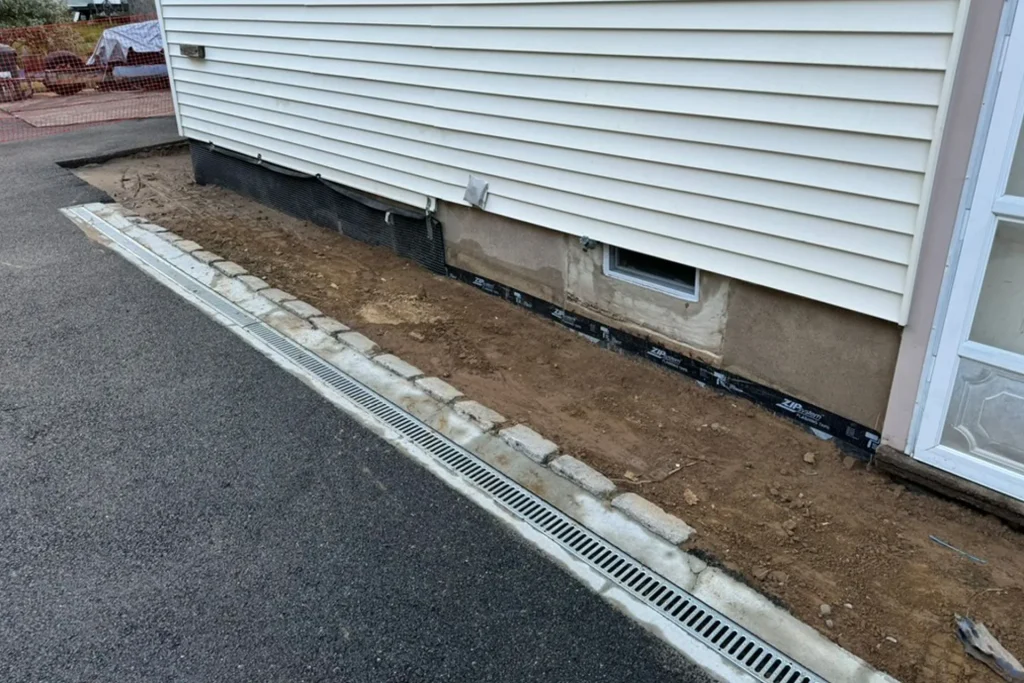
Waterproofing also tends to reveal and close physical entry points. A thorough job often includes crack repair, sealing around penetrations, improving drainage, and correcting grading. Those steps do double duty. They control moisture and reduce routes of access.
The effect is not always immediate for every pest. If a basement has supported rodents or roaches for months, the population may need direct treatment as well. Still, the difference after moisture control is usually noticeable. Fewer insects appear after rain. Musty odors fade. Traps stay empty longer. Ongoing pest management becomes far easier because the environment is no longer helping the invaders.
The pest types most influenced by basement moisture
Some pests are almost a direct indicator of a damp lower level. Others are indirectly tied to moisture because they prey on moisture-loving insects or exploit wet building materials.
Here are the pests most commonly reduced when basement moisture is brought under control:
- Silverfish and firebrats, which thrive in humidity and feed on paper, glue, and fabrics
- Cockroaches, especially where damp storage, floor drains, or hidden moisture are present
- Centipedes, spiders, and other predators that follow insect populations into basements
- Carpenter ants and termites, which are strongly attracted to wet or weakened wood conditions
- Rodents, which benefit from reliable water sources and hidden damp nesting zones
Notice that not all of these pests require standing water. Many only need a steady supply of humidity and occasional access to condensation or damp materials. That is why homeowners can be surprised by pest pressure in a basement that "never floods."
Exterior water management is the first line of defense
Most basement moisture problems start outside. Rainwater should move away from the house quickly and predictably. When it does not, hydrostatic pressure builds around the foundation, and water begins looking for a way in.
Poor grading is a common culprit. If soil slopes toward the house, even slightly, water collects near the foundation walls. Gutters and downspouts matter more than many people realize. A missing extension can dump hundreds of gallons of roof runoff right at the base of the home during a storm. Over time, that can saturate the soil, increase seepage, and keep foundation areas damp long after the weather clears.
Window wells are another trouble spot. If they fill with debris or lack proper drainage, they trap water against below-grade windows. Cracks in exterior walls, deteriorated mortar joints, and unsealed service penetrations can add to the problem.
When the outside is corrected, the basement often becomes noticeably drier before any interior work begins. That said, exterior fixes are not always enough on their own. Older foundations, high water tables, clay-heavy soils, and neighborhoods with poor drainage can still produce basement moisture even when gutters and grading are improved.
Interior waterproofing and what it actually does
Interior waterproofing is sometimes misunderstood. It does not always mean making the wall itself impervious from the inside. More often, it means controlling and redirecting any water that reaches the foundation so it does not enter the living space or stay trapped in materials.
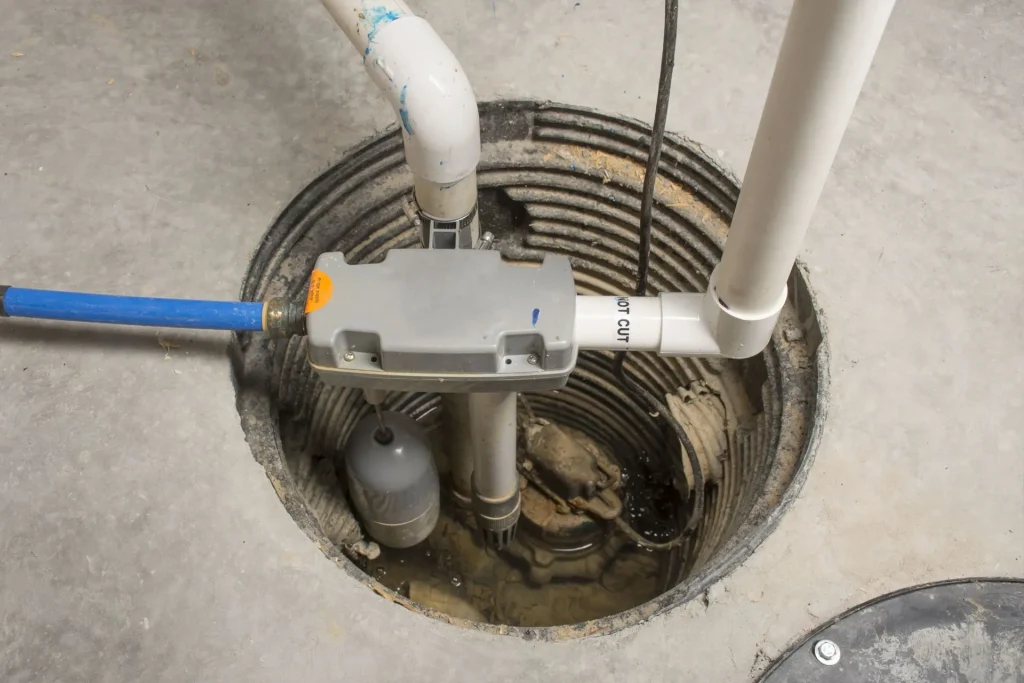
That can include interior drainage channels, sump pump systems, vapor barriers, crack injection, and drainage matting behind finished wall systems. In some basements, a dehumidifier becomes a core part of the moisture-control strategy. In others, the solution is simpler, such as sealing a few cracks and fixing condensating pipes.
A good contractor will distinguish between bulk water intrusion, capillary moisture migration, and indoor humidity. Those are related but different issues. A basement with seasonal seepage near the cove joint has different needs than one with summer condensation caused by warm humid air meeting cool surfaces.
For pest reduction, the details matter. A sump system that discharges properly reduces persistent dampness. Sealed cracks cut down on entry points for insects. Vapor barriers can prevent moisture from feeding mold growth behind stored items or finished walls. A dehumidifier that holds the space under about 50 percent relative humidity makes a basement far less hospitable to silverfish, roaches, and mold-associated insects.
Waterproofing alone is not a magic switch
It is important to be realistic. Basement Waterproofing is a powerful preventive measure, but it is not a complete pest control plan by itself.
If a home already has a rodent infestation, active termite tubes, or a well-established cockroach population, those problems usually need direct intervention. Moisture control improves the odds of success and helps prevent reinfestation, but it does not remove every nest, colony, or harborage overnight.
There are also pests with weaker ties to basement moisture. Stink bugs, cluster flies, and some seasonal invaders may enter through basements simply because that is where cracks exist, not because the space is wet. Waterproofing can still help if it includes sealing, but moisture reduction alone will not eliminate those issues.
That is why the best results often come from pairing waterproofing with targeted pest management. One addresses the environment, the other addresses the existing population.
What homeowners should look for before pests take hold
A basement usually gives warning signs before the pest problem becomes obvious. Catching those signs early can save a lot of money and aggravation.
Watch for patterns rather than isolated events. One spider in a basement is not unusual. Repeated sightings of silverfish, centipedes, or roaches, especially near utility rooms, floor drains, or stored cardboard, suggest a moisture-supported habitat. A musty smell that returns every humid week matters even if you cannot see water. So do rusting metal shelves, curling labels on boxes, and darkened base trim along exterior walls.
If you own a hygrometer, basement humidity readings can be revealing. In many homes, the goal is to keep the basement under 50 to 55 percent relative humidity. Once levels stay above 60 percent, pest and mold risks climb. That is not a hard rule for every structure or climate, but it is a useful benchmark.
These are the signs that usually justify a closer look:
- Musty odor that lingers even after cleaning
- White mineral deposits or damp spots on masonry walls
- Repeated sightings of moisture-loving insects after rain
- Soft, stained, or swollen stored materials near floors and walls
- Basement humidity that stays high despite normal use of the space
A homeowner does not need all five to have a real problem. Sometimes one persistent symptom is enough, especially if it has a seasonal pattern.
Finished basements can hide both moisture and pests
Finished basements are often more vulnerable than unfinished ones because the warning signs are covered. Drywall, insulation, paneling, and flooring can hide minor seepage for a long time. By the time pests become visible, the underlying moisture may already have damaged framing or fostered mold growth.
This is where professional judgment matters. Pulling back every wall is not practical, but selective inspection around the perimeter can be worthwhile if there are clues such as bubbling paint, stained baseboards, warped flooring, or insect activity near outlets and trim. Thermal imaging and moisture meters can help, though they do not replace a careful visual assessment.
I have seen homeowners spend heavily on finishing a basement before addressing moisture fundamentals. The room looks great for a year or two, then the complaints start: a damp smell after storms, bugs near the baseboards, mystery staining behind stored furniture. Retrofitting waterproofing after finishing is almost always more disruptive and expensive than doing it first.
The role of storage and housekeeping
Not every basement pest issue is caused by water, but moisture magnifies the effects of clutter. Cardboard boxes absorb dampness, soften, and create excellent harborage for insects. Stored papers, fabrics, and holiday decorations become both shelter and food sources. Wood stacked directly on the floor can stay humid for weeks.
Once the basement is dry, storage choices still matter. Plastic bins with sealed lids perform far better than cardboard in most lower-level spaces. Keeping items a few inches off the floor helps with airflow and inspection. Cleaning up lint, dust, and spilled pet food removes easy resources for pests that would otherwise persist even after waterproofing improvements.
This is one of those areas where small habits make a noticeable difference. A dry, well-organized basement is much easier to monitor. You can spot a new crack, a drip, or insect activity early instead of discovering it after months of hidden buildup.
When a dehumidifier helps, and when it is not enough
Dehumidifiers are useful, but they are often asked to solve problems they were never meant to solve. If groundwater is entering through the foundation or exterior drainage is poor, a dehumidifier is managing symptoms. It may make the space feel more comfortable, but it will not relieve hydrostatic pressure or stop water from wicking through masonry.
That said, in basements where the main issue is humid summer air and mild condensation, a properly sized dehumidifier can be a meaningful part of pest prevention. It reduces ambient moisture, dries surfaces more quickly, and makes the space less attractive to insects that depend on high humidity.
The key is diagnosis. If you empty the dehumidifier constantly and still smell dampness near one wall after rain, there is probably an infiltration issue that needs more than appliance-based control. If humidity spikes mainly during hot weather and the walls remain dry, humidity management may be the right focus.
Cost, trade-offs, and the long view
Homeowners understandably ask whether waterproofing is worth the cost if their main complaint is pests. In many cases, yes, because the expense is doing more than reducing bugs. It protects the foundation, improves air quality, lowers mold risk, preserves stored belongings, and makes future finishing or renovation safer.
The trade-off is that waterproofing is not always cheap, and the right solution depends on the cause. Simple fixes like downspout extensions, grading corrections, and crack sealing can be relatively modest. Full perimeter drainage systems, sump installations, or exterior excavation are more significant projects. The most expensive option is not automatically the best one. The goal is to match the remedy to the water pathway.
From a pest perspective, the long view matters. Repeated extermination visits for a basement that stays damp can become a costly loop. The insects may decline for a while, then return because the environment still supports them. Addressing moisture breaks that cycle at the source.
A dry basement is harder for pests to exploit
Pests are opportunists. They follow food, shelter, and water. Basements naturally provide the first two, so controlling the third has outsized impact.
When Basement Waterproofing is done well, it changes the basement from a resource-rich refuge into a less attractive, less stable environment. Insects lose humidity and hiding conditions they depend on. Rodents lose convenient moisture and concealed nesting areas. Wood-damaging pests find fewer wet, weakened materials to exploit. The whole house benefits because the basement stops acting as an entry point and breeding ground.
For homeowners dealing with recurring pest activity, that connection is worth taking seriously. A trap, bait, or spray may solve the visible problem for a while. A dry basement solves the conditions that kept inviting it back.
ARD Waterproofing
98 Smull Ave, West Caldwell, NJ 07006, United States
+1 917-691-8411
FAQ About Basement Waterproofing
Can you 100% Waterproof a Basement in West Caldwell?
A properly designed system can substantially reduce basement water intrusion, but no method can promise protection against every flood, equipment failure, or future change in site conditions. The first step is identifying whether moisture comes from surface runoff, groundwater, plumbing, or condensation. Solutions may include grading and gutter improvements, drainage, foundation repairs, and a sump system. Review the specific coverage and exclusions of any written warranty.
How much does it cost to professionally waterproof a basement in NJ?
There is no single price that fits every basement. Cost depends on the cause of the leak, the area needing work, access, excavation requirements, drainage design, sump equipment, and restoration of disturbed finishes or landscaping. Request an on-site assessment and an itemized written estimate that explains the scope, exclusions, and maintenance requirements before comparing proposals.
How long does foundation waterproofing last in West Caldwell, NJ?
Service life varies with the waterproofing materials, installation quality, soil and water conditions, and maintenance. Drainage components and pumps may require servicing or replacement even when other parts of the system remain functional. Keep gutters, drainage outlets, and sump equipment maintained, and have recurring leaks or changes in foundation condition assessed. Ask for product-specific expectations and written warranty terms rather than relying on one lifespan for the entire system.