Why Basement Waterproofing NJ Matters for New Jersey Homeowners

New Jersey homeowners rarely need to be convinced that water has a way of finding the weak spot. A heavy coastal storm, a week of steady rain, fast snowmelt, a high water table, old clay soil packed against a foundation, even a single blocked gutter can turn a basement from useful square footage into a damp, expensive problem. That is why Basement Waterproofing NJ is not a cosmetic upgrade or a niche contractor service. It is a practical part of protecting a home in a state where weather, soil, and housing age often work against the basement.
A dry basement supports more than comfort. It protects structure, indoor air quality, storage, finished living space, and resale value. It also reduces the risk of those frustrating low-grade problems that homeowners tend to tolerate for too long, like musty odors, efflorescence on foundation walls, warped trim, or that slight dampness underfoot near one corner after every storm. Those symptoms rarely stay small forever.
In New Jersey, the conversation around waterproofing has its own local texture. Homes in Bergen County face different drainage realities than homes closer to the shore. A house in an older neighborhood with a stone or block foundation may behave very differently from a newer poured concrete basement in a suburban development. Yet the underlying principle is the same: if water is allowed to collect against or under the foundation, it will eventually create pressure, seepage, damage, or all three.
The New Jersey factor
Waterproofing matters everywhere, but New Jersey adds several layers of risk. The state has a mix of older housing stock, dense development, seasonal storms, and neighborhoods where grading and drainage have been altered over decades. One property gets re-landscaped, the next adds a patio, another replaces a driveway, and suddenly runoff patterns change in ways that affect nearby foundations.
Hydrostatic pressure is one of the biggest issues. When soil around a foundation becomes saturated, water builds pressure against basement walls and beneath the slab. Concrete is durable, but it is not immune. Hairline cracks can widen. Coves where the floor meets the wall can seep. Mortar joints in block foundations can weaken over time. In some basements, the first sign is not standing water but persistent humidity, peeling paint, or white mineral deposits.
Then there is the weather. New Jersey gets intense summer downpours, nor'easters, remnants of tropical systems, and freeze-thaw cycles that open cracks and stress exterior surfaces. Even homes that stay mostly dry in average rain can struggle during back-to-back storms or after a wet season saturates the soil. A basement that leaks once every year or two is still a basement with a water problem. Many homeowners learn that lesson after they finish the space, lay down flooring, and bring in furniture.
A wet basement is rarely just a basement issue
Homeowners often talk about basement water as if it is isolated downstairs. In practice, the effects travel through the entire house. Moisture in the basement raises indoor humidity. That can make upper floors feel clammy in summer and can push the HVAC system harder than necessary. Insulation can become less effective. Stored belongings absorb odor and dampness. Wood framing near wet areas can remain chronically moist, which is exactly the condition mold needs.
I have seen basements where the owner thought the issue was minor because there was never more than a thin line of water along one wall. But the dehumidifier ran constantly, the lower level smelled stale year-round, and the family stopped using half the space. When we traced the problem, the source was a combination of poor exterior grading, overloaded gutters, and a small crack near a window well. None of those items looked dramatic in isolation. Together, they made the basement unpleasant and vulnerable.
That is one reason Basement Waterproofing NJ should be thought of as prevention as much as repair. By the time water is visible on the floor, the problem has already been active somewhere in the system.
What homeowners often miss in the early stages
The most expensive basement problems are not always the ones that start with a flood. Often, they begin quietly. A little moisture behind finished walls. Condensation mistaken for seepage. A sump pump that technically works, but is undersized for the volume it sees during a severe storm. A downspout that empties too close to the house. A crack that is dismissed because it is thin.
Some warning signs are easy to overlook because they seem cosmetic or occasional:
- musty odor that returns even after cleaning
- white chalky residue on masonry walls
- bubbling paint or flaking surface coatings
- rust on metal shelving, furnace bases, or water heater components
- damp carpet edges or staining after rain
Any one of those signs deserves a closer look. Not every damp basement needs the same fix, and not every smell means active seepage, but waiting tends to narrow your options. When damage spreads to drywall, flooring, trim, electrical components, or stored possessions, the cost rises quickly.
Why quick fixes often disappoint
Homeowners are understandably tempted by simple products that promise to seal a basement from the inside. Some coatings and crack fillers have their place. A targeted crack injection, done correctly, can be effective for the right type of crack. A vapor barrier system can help manage moisture under specific conditions. But paint-on waterproofers and patch materials are often asked to do more than they can realistically handle.
The reason is simple. Water pressure usually starts outside the wall or below the slab. If that pressure is not relieved or redirected, the moisture keeps pushing. Surface products applied on the interior may hide symptoms temporarily, but they do not change the surrounding drainage conditions. In fact, I have seen basements where fresh waterproof paint made diagnosis harder because it concealed where the seepage was traveling.
Professional https://riveryxfl995.slatecurrent.com/posts/basement-waterproofing-nj-for-finished-basements-what-you-need-to-know waterproofing is valuable because it starts with identifying the water path. Is runoff flowing toward the house? Is groundwater rising under the slab? Are window wells filling? Is a footing drain clogged or absent? Is the issue moisture vapor, actual seepage, or both? Without that judgment, repairs can become a chain of partial fixes that cost more over time than one well-designed solution.
Interior systems versus exterior solutions
One of the most important decisions in basement waterproofing is whether the problem is best handled from the outside, the inside, or with a combination of both. Homeowners sometimes assume exterior waterproofing is always superior because it attacks the problem at the source. In some cases, that is true. Excavating the perimeter, applying waterproof membranes, installing drainage board, and correcting grading can be the right answer, particularly when foundation walls are heavily exposed to moisture or already deteriorating.
But excavation is disruptive and expensive. It can affect landscaping, hardscaping, porches, and access areas. On tight New Jersey lots, it may not be practical around every side of the home. Interior drainage systems, on the other hand, can be highly effective for managing hydrostatic pressure under the slab and channeling water to a sump pump. When designed properly, they are not a shortcut. They are often the most efficient response to the actual way water enters.
The best contractors do not sell one method for every house. They match the solution to the building and the site. A split-level in Monmouth County may need a different strategy than a century-old basement in Essex County or a partially below-grade lower level in Morris County. That kind of variation is normal. A basement waterproofing plan should reflect it.
The sump pump question homeowners should take seriously
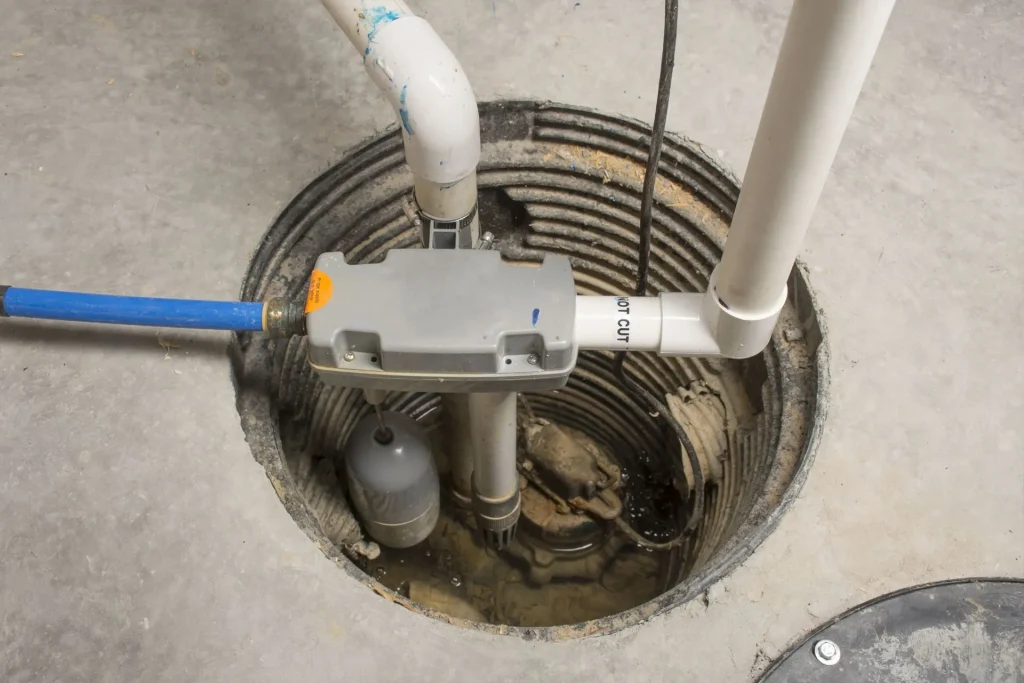
A sump pump is easy to ignore when it sits quietly in a pit for most of the year. Then a storm arrives and it suddenly becomes one of the most important mechanical systems in the house. The problem is that many sump installations are just adequate, not resilient. A single pump without battery backup may work during an ordinary rain, then fail during the exact event when it is needed most, especially if the power goes out.
In New Jersey, where strong storms can knock out electricity and saturate the ground at the same time, backup power matters. So does pump capacity, discharge line placement, check valve quality, and freeze protection for exterior piping. A waterproofing system is only as dependable as its discharge path. If the water leaves the pit but ends up dumping right back near the foundation, the system is doing half a job.
A good contractor should be willing to explain the design in plain terms. Homeowners do not need a mechanical engineering lecture, but they should understand how water enters the system, where it goes, what happens if the primary pump fails, and what maintenance is expected. If those answers are vague, that is a warning sign.
Finished basements raise the stakes
Many New Jersey homeowners use the basement as more than storage. It may be a family room, office, gym, guest suite, playroom, or income-producing space where permitted. Once drywall, flooring, built-ins, and furniture enter the picture, moisture becomes more than an annoyance. It becomes a direct threat to invested money.
This is where Basement Waterproofing NJ often shifts from reactive to strategic. A homeowner planning to finish a basement should evaluate waterproofing before construction begins, not after. It is much cheaper to install drainage, repair cracks, improve grading, or upgrade a sump system before walls are closed and floors are laid. It also allows better material choices. Even in a well-protected basement, moisture-tolerant finishes are wise. That means giving thought to flooring type, insulation approach, trim materials, and where sensitive electronics or furnishings are placed.
I have seen beautifully finished basements ruined by one storm because the owner assumed a dry few years meant the risk had passed. Basements can stay quiet for a long time, then fail under unusual conditions. Waterproofing is partly about planning for the bad year, not just the average one.
Health, air quality, and the part people feel before they see
One of the less obvious reasons waterproofing matters is how moisture changes the atmosphere of a home. Even without visible mold, damp conditions can create a stale smell and a heavy feeling in the air. People often describe it as a house that never quite feels crisp or fresh. They run dehumidifiers, burn candles, open windows, and still feel like something is off.
Basement moisture contributes to that. Air moves upward through a house, carrying odors and humidity with it. In practical terms, a wet basement can affect bedrooms, closets, and living areas more than homeowners expect. For families with allergies or respiratory sensitivities, reducing basement moisture can make a meaningful difference in comfort. No responsible professional should promise health outcomes, but it is entirely fair to say that controlling water and humidity supports a cleaner indoor environment.
Waterproofing and resale value
Real estate conversations around basements are usually blunt. Buyers notice moisture, odor, staining, and old water marks quickly. A basement does not need to be finished to influence value. It just needs to feel dry, solid, and well maintained. If it does not, buyers assume hidden problems, and they discount accordingly.
That matters in New Jersey, where buyers often compare homes closely and inspection issues can disrupt a sale. A basement with documented waterproofing work, drainage improvements, or sump upgrades is easier to explain than a basement with visible patch jobs and a dehumidifier running in the corner. Even when waterproofing does not produce a dollar-for-dollar return on paper, it protects marketability. In many cases, it also avoids the kind of late-stage negotiation where a buyer requests a large credit after inspection.
Choosing the right contractor in a crowded market
Not every waterproofing estimate tells the full story. Some contractors focus on a single product or system and fit every problem into that box. Others move too quickly to a price without explaining the diagnosis. Homeowners benefit from slowing down and asking grounded questions.
Here are a few areas worth discussing before signing anything:
- where the water is believed to be entering
- whether exterior drainage and grading have been evaluated
- what maintenance the system requires over time
- how the sump pump and backup system are sized
- what parts of the work are covered by warranty, and under what conditions
The right contractor should not be offended by careful questions. Waterproofing is one of those trades where diagnosis matters as much as installation. Two homes with the same symptom can need very different repairs. A professional who can explain trade-offs clearly is usually more valuable than one who only promises a permanent fix in broad terms.
Cost versus cost of delay
Waterproofing is not cheap, especially when excavation, structural crack repair, or full drainage systems are involved. That reality causes some homeowners to postpone action, which is understandable. But delay has its own price. Replacing damaged drywall, flooring, furniture, and personal belongings can add up fast. So can mold remediation, repeated cleanup, and mechanical wear from constantly elevated humidity.
Even small recurring seepage should be viewed through that lens. If a basement takes on a little water three times a year, the cleanup may seem manageable. Over five years, though, the real cost includes lost use of space, stress during storms, accelerated wear, and the risk that one event will be much worse than the others. Waterproofing often pays off less as a dramatic financial return and more as risk reduction, property protection, and regained confidence in the house.
What sensible prevention looks like
Not every homeowner needs a major waterproofing project tomorrow. Sometimes the right first step is basic water management outside the home. Gutters should be clean and properly pitched. Downspouts should discharge well away from the foundation. Soil should slope away from the house, not toward it. Window wells should be clear and draining. Shrubs and mulch should not trap moisture against lower walls.
That said, prevention has limits. If the basement already shows signs of hydrostatic pressure, recurring seepage, or slab moisture, housekeeping measures alone may not solve it. They are part of a system, not a substitute for one. The art is knowing when simple drainage corrections are enough and when the problem has progressed beyond that stage.
A house feels different when the basement is truly dry
There is a practical confidence that comes with a basement you do not have to worry about every time the forecast turns ugly. You stop moving boxes onto shelves before every storm. You stop checking corners for dampness. You stop wondering if that smell will greet guests when they walk downstairs. The lower level becomes usable space again, whether that means storage, laundry, hobbies, family time, or a finished room that actually earns its keep.
That is the deeper reason Basement Waterproofing NJ matters. It is not just about stopping leaks. It is about making a New Jersey home more durable, more comfortable, and better prepared for the realities of this region. Water will always test the weak points of a house. Thoughtful waterproofing makes sure the basement is not one of them.
ARD Waterproofing
Address: 98 Smull Ave, West Caldwell, NJ 07006
Phone number: +12016465936
FAQ About Basement Waterproofing NJ
What is the best waterproofing method for a basement?
The best overall approach to waterproofing a basement is a combined exterior and interior system that stops water at the foundation wall and safely manages any moisture that gets through.
What is the average cost to waterproof a basement?
The average cost to waterproof a basement ranges from $2,500 to $15,000, with most homeowners paying around $5,200 for a complete project.
Can a basement be waterproofed from the inside?
Yes, a basement can be waterproofed from the inside, and it is often the most affordable and least disruptive method.